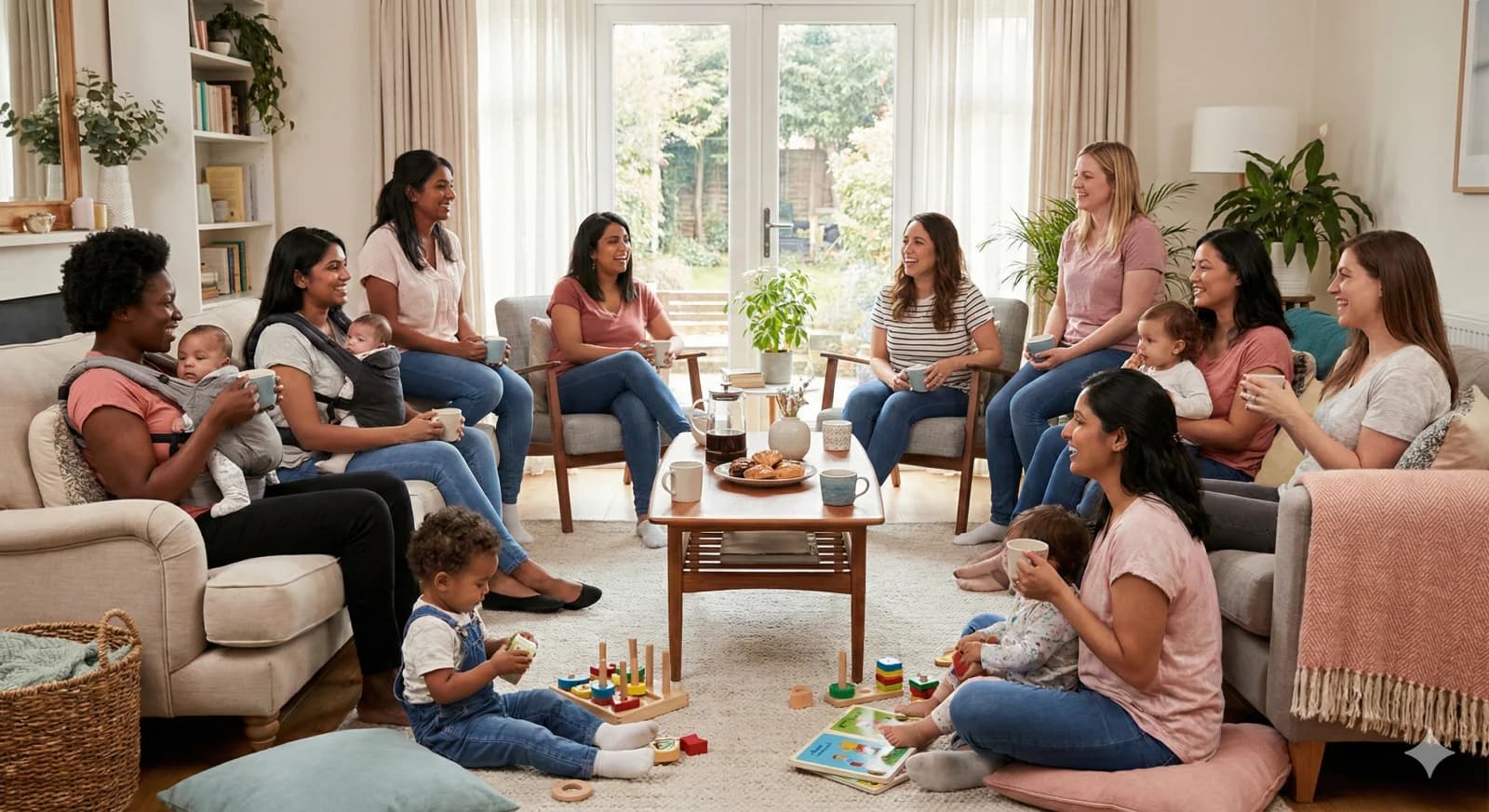
"It takes a village to raise a child."
This article is part of the AlphaMa guide to the mental load.
We've all heard this proverb. But in our modern, often isolated world, where's the village?
Many of us parent far from extended family. Our neighbors are strangers. Our schedules are packed. The village that once existed organically now has to be built intentionally.
The Isolation Problem
Modern parenting is lonelier than ever:
- Families are smaller and more geographically spread out
- We move more frequently for work
- Suburban design isolates us in single-family homes
- Technology replaces face-to-face connection
- Busy schedules leave little room for community
This isolation isn't just lonely-it's harmful. Studies show that social support is crucial for both parent and child wellbeing.
What a Village Provides
A supportive community offers:
Practical Help
- Childcare backup for emergencies
- Meal trains when you're struggling
- Carpools and school pickup help
- Someone to call when you're stuck
Emotional Support
- People who understand what you're going through
- A listening ear without judgment
- Perspective when you're in the weeds
- Celebration of your wins
Role Modeling
- Seeing different parenting styles
- Learning from others' experiences
- Exposure to diverse approaches
- Mentorship from those ahead on the journey
Support for Your Children
- Multiple trusted adults in their lives
- Diverse relationships and perspectives
- A sense of extended family
- Resilience if something happens to parents
Building Your Village Intentionally
1. Start with Who You Have
Before looking outward, consider:
- Family members, even if far away (technology helps!)
- Existing friends, even those without kids
- Neighbors you haven't connected with yet
- Colleagues who are also parents
2. Find Your People
Seek out community in:
- Parent groups (school, daycare, activities)
- Religious or spiritual communities
- Online communities that match your values
- Classes or activities for yourself
- Neighborhood apps and local groups
3. Be the One Who Initiates
Don't wait for others to reach out:
- Invite another parent for coffee
- Organize a playdate
- Start a neighborhood parents' group
- Host a casual gathering (it doesn't need to be fancy)
4. Offer Help First
Village-building is reciprocal:
- Offer to pick up a neighbor's kid from school
- Drop off a meal for a struggling parent
- Be available when others need someone
5. Accept Help Graciously
This is often the hardest part. When someone offers help:
- Say yes, even when it feels uncomfortable
- Don't diminish your needs
- Express genuine gratitude
- Pay it forward when you can
The Quality Over Quantity Principle
You don't need dozens of close connections. Research suggests that:
- 3-5 close relationships provide significant support
- Quality of connections matters more than quantity
- A few reliable people beat many acquaintances
Navigating Different Types of Support
Not everyone in your village serves the same purpose:
- Emergency contacts: The people you can call at 2 AM
- Practical helpers: Those who help with logistics
- Emotional supporters: The ones who listen and understand
- Advice givers: Those with wisdom to share
- Fun friends: People who help you remember joy
You might need different people for different needs.
For Those Without Nearby Family
If you don't have family close by:
- Create chosen family relationships
- Be proactive about building deep friendships
- Consider "grandparent" programs that connect generations
- Video calls and visits matter-make them regular
The Village Your Children See
When you build community, you're also teaching your children:
- Relationships require investment
- It's okay to ask for and accept help
- We're stronger together than alone
- Community is something we create, not just find
Start Today
Building a village takes time, but you can start small:
- Reach out to one person this week
- Say yes to one invitation
- Accept one offer of help
- Make one new connection
The village won't appear overnight. But with consistent, intentional effort, you'll find yourself surrounded by people who have your back-and you have theirs.
That's the village. And it's worth building.